
About Kubermatic

What Does Kubermatic Do?
What does Kubermatic do? Kubermatic automates the deployment, management, and operation of Kubernetes clusters across any infrastructure: public cloud (AWS, Azure, GCP), private cloud, bare metal, and edge. Its platform reduces manual operations for enterprise infrastructure teams, enabling organisations to run hundreds of Kubernetes clusters from a single control plane.
What is Kubermatic’s mission? Kubermatic’s mission is to give every organisation, regardless of size or technical maturity, the ability to fully automate their cloud native operations. The company builds open-source-rooted tooling so enterprises can innovate without being locked into a single cloud provider.
What industries does Kubermatic serve? Kubermatic serves regulated and complex industries including defence, public sector, manufacturing, and telecommunications. Its sovereign infrastructure capabilities make it a preferred choice for European enterprises with strict data residency and security requirements.
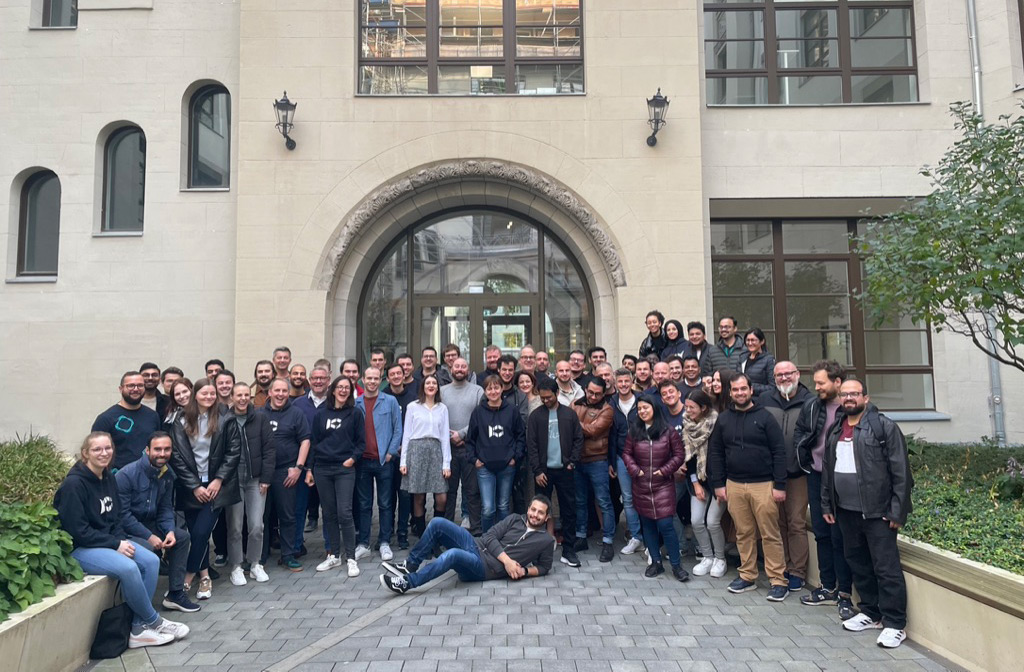
How Did Kubermatic Start?
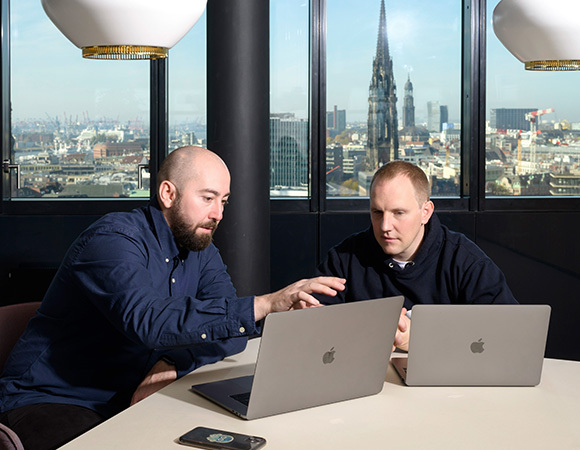
In early 2016, Kubermatic (or Loodse back then) was not much more than two guys with a gut feeling that Kubernetes could potentially be a big thing, and the ambition to build a business model around that. After discussing this rather vague idea on several cycling trips, Kubermatic founders Julian Hansert, COO and Sebastian Scheele, CEO didn’t hesitate for very long, registered the company, and turned Julian’s living room into the first office.
What followed thereafter can only be described as a crazy rollercoaster ride that sometimes left us a little dizzy.
Kubermatic founding facts:
- Founded: April 2016, Hamburg, Germany (originally as Loodse GmbH)
- Founders: Sebastian Scheele (CEO) and Julian Hansert (COO)
- First product: Kubermatic Kubernetes Platform (KKP) beta, launched February 2017
- Open-sourced KKP: June 2020 (company rebranded from Loodse to Kubermatic at same time)
- Seed funding: $8.3M raised November 2021, led by Nauta Capital and btov Partners
- Headquarters: Hamburg, Germany
Kubermatic Milestones and Recognition

2026
April
Kubermatic officially turns 10! A decade of building, contributing to open source, and growing with our community. We're proud of what we've achieved, and excited for what's next.
July
Kubermatic gets recognized as a Leader in the SPARK Matrix™ for Edge Kubernetes Platforms.
September
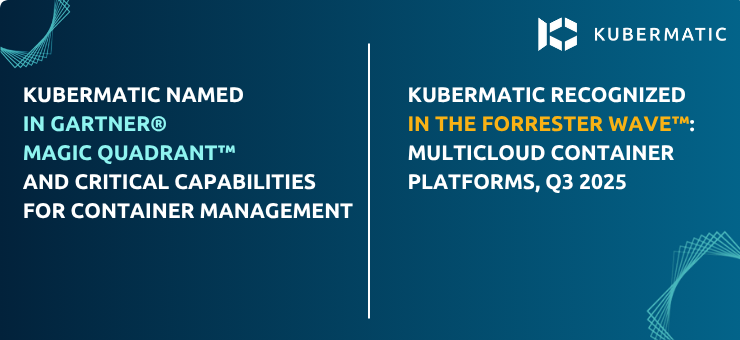
Kubermatic named in the 2026 Gartner® Magic Quadrant™ and recognized in the Critical Capabilities for Container Management.
2025
July
Kubermatic recognized as one of the 9 top vendors in The Forrester Wave™: Multicloud Container Platforms, Q3 2025. Forrester, a leading independent research firm, evaluated the most significant providers against 31 criteria, and we believe this recognition places us among a select group shaping the future of Kubernetes management.
August
Kubermatic named in the 2025 Gartner® Magic Quadrant™ and recognized in the Critical Capabilities for Container Management!
2025
June
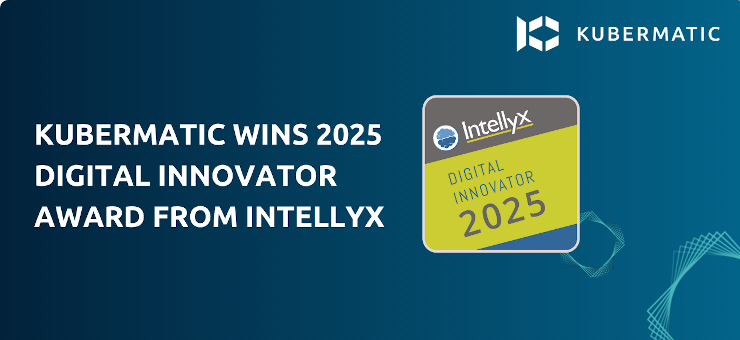
Kubermatic Wins 2025 Digital Innovator Award from Intellyx. As Intellyx celebrates 11 years of championing digital transformation, this award recognizes companies that are making bold strides in reshaping the enterprise technology landscape, and we're honored to be among them.

2024
March
After months of development, we proudly launch KubeLB, our ultimate Load Balancer solution.
October
The Big Day arrives and we introduce the world to Kubermatic Virtualization, allowing you to build and manage your private cloud entirely with Kubernetes.
November
And to finish this year with a bang, we launch our internal developer platform: Kubermatic Developer Platform. Designed to make life easier for Developers, KDP automates repetitive tasks, freeing up Developers' time to do what they do best.
2023
August
Kubermatic recognized as one of the five 'Cool Vendors' in the August 2023 report by Gartner titled 'Cool Vendors in Container Management'. Kubermatic is the only European vendor to be recognized in the August 2023 report by Gartner titled 'Cool Vendors in Container Management'.
September
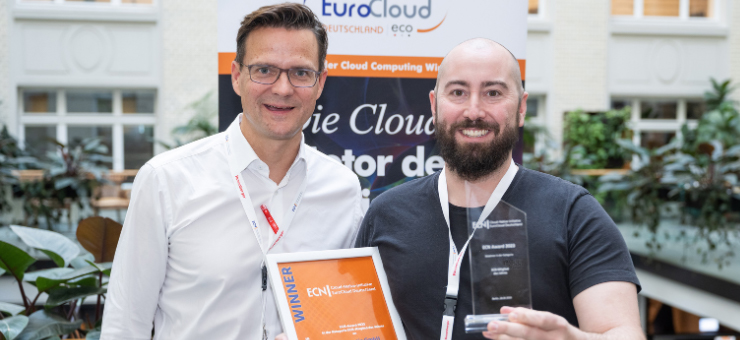
Kubermatic is the winner of the ECN Award 2023 in the category "Euro Cloud Native Member of the Year".

2021
November
Investment announcement! We raise a total of $8.3M in Seed Funding, led by Nauta Capital and followed by btov Partners.

2020
June
BIG BANG!!! We open source our core software KKP and change the name of the company from Loodse to Kubermatic. (After four years of trying to explain how to pronounce “Loodse”, we decided to give up).

2019
May
We open source KubeOne, our Kubernetes lifecycle management tool, which automates deployment and operations for single Kubernetes clusters.
June
Kubermatic joins the MELLODDY consortium.
2018
May
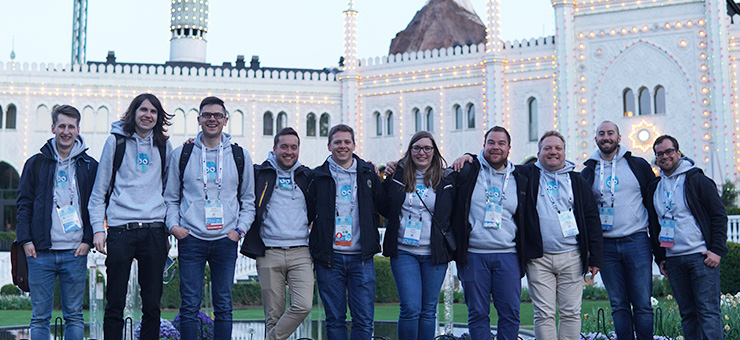
Kubermatic becomes one of the first twenty Kubernetes Certified Service Providers (KCP) and Kubernetes Training Partners (KTP). Just three years later, the cloud native landscape lists 200 KCPs and 50 KTPs.

2017
February
Convinced that organizations would get to a point where they would adopt multiple, rather than single Kubernetes clusters, we launch the beta version of Kubermatic Kubernetes Platform (KKP).
May
We receive the German Accelerator Tech award for exceptionally promising tech startups.
2016
April
Founding
June
We organize the first ContainerDays (CDS) conference with more than 200 container enthusiasts in Hamburg harbor. (At the time, these numbers were very exciting, considering that KubeCon Europe had about 400 participants that year. Looking at CDS’s participation numbers today, it’s truly amazing how much this event has grown.)
Frequently Asked Questions
What is Kubermatic?
Kubermatic is an enterprise Kubernetes management company headquartered in Hamburg, Germany. It provides software platforms and professional services that help organisations deploy, automate, and operate Kubernetes clusters across hybrid cloud, multi-cloud, edge, and on-premises infrastructure.
Is Kubermatic open source?
Yes. Kubermatic’s core platform, Kubermatic Kubernetes Platform (KKP), was open-sourced in June 2020. Kubermatic also maintains KubeOne, an open-source Kubernetes lifecycle management tool, and contributes actively to the Cloud Native Computing Foundation (CNCF) ecosystem.
Where is Kubermatic based?
Kubermatic GmbH is headquartered in Hamburg, Germany. The company is a German-founded enterprise with a European-first approach to data sovereignty and regulatory compliance.
Is Kubermatic listed in Gartner's Magic Quadrant?
Yes. Kubermatic was named in the 2025 Gartner® Magic Quadrant™ for Container Management and recognised in the Critical Capabilities report. It was also named a Gartner Cool Vendor in 2023, the only European vendor to receive that recognition.
What does Kubermatic's Kubernetes Platform do?
Kubermatic Kubernetes Platform (KKP) enables enterprises to create, manage, and automate hundreds of Kubernetes clusters from a single control plane. It supports major cloud providers (AWS, Azure, GCP), on-premises environments (VMware vSphere, Nutanix, OpenStack), bare metal, and edge deployments.
Who are Kubermatic's founders?
Kubermatic was founded in 2016 by Sebastian Scheele (CEO) and Julian Hansert (COO), who started the company in Hamburg after recognising early that Kubernetes would become a foundational enterprise infrastructure technology.
What certifications does Kubermatic hold?
Kubermatic is ISO 27001 (Information Security) and ISO 9001 (Quality Management) certified. It is a Kubernetes Certified Service Provider (KCSP) and Kubernetes Training Partner (KTP), among the first 20 companies globally to achieve KCSP status in 2018.
Last updated: September 2026